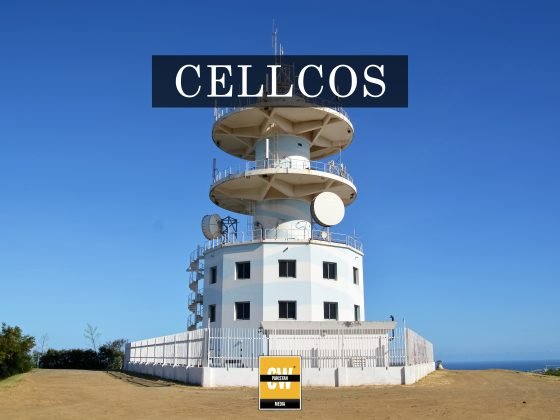
PTA has warned that prolonged electricity load shedding is causing serious disruptions to mobile and internet services across Pakistan, as officials confirmed the situation at a meeting of the Senate Standing Committee on Information Technology and Telecom. The regulator disclosed that electricity outages have increased in duration, creating major challenges for the telecom industry, with operators facing shutdowns lasting up to 12 hours that directly compromise the quality and continuity of connectivity services for millions of users.
The core operational challenge highlighted by PTA is the limited battery backup capacity of telecom towers, which cannot sustain services beyond approximately two hours during power outages. With load shedding durations now far exceeding that threshold in many parts of the country, operators are left with no viable fallback within the existing infrastructure model, resulting in immediate service breakdowns whenever grid power is cut. PTA stressed that continuous power supply is essential for maintaining reliable mobile and internet connectivity, and formally demanded that telecom operators be provided uninterrupted electricity to protect the integrity of national telecommunications services. Officials also noted that despite operators not being classified as defaulters, they continue to face these extended power shutdowns, compounding the operational pressure on an already stretched sector.
In response to the structural vulnerability exposed by Pakistan’s energy crisis, officials confirmed that telecom operators are gradually shifting their tower infrastructure toward solar energy systems, reducing dependence on both diesel fuel and the national grid. The transition to renewable energy sources is being driven as much by economic and operational necessity as by environmental considerations, given the unreliability and high cost of diesel-based backup generation at scale. The move also forms part of efforts to address repeated theft incidents targeting telecom infrastructure, which have added a further layer of vulnerability to tower operations across the country. PTA indicated that stricter monitoring of operators and enforcement of service quality standards are underway alongside these infrastructure changes.
On the regulatory side, PTA confirmed it has issued show-cause notices and imposed substantial fines on telecom operators in response to poor internet service quality, signalling that the regulator intends to hold operators accountable for service performance even as systemic power challenges continue. Looking ahead, PTA stated that the forthcoming 5G spectrum launch is expected to introduce advanced services while also meaningfully improving existing 4G connectivity across Pakistan, a development that will require stable and reliable power infrastructure to deliver on its full potential, making the shift to solar-powered towers not just a contingency measure but a prerequisite for the country’s next phase of telecommunications growth.
Follow the SPIN IDG WhatsApp Channel for updates across the Smart Pakistan Insights Network covering all of Pakistan’s technology ecosystem.