The federal government is considering deploying smart transformers to mobile network towers across Pakistan as part of a broader effort to protect telecom infrastructure from the growing impact of prolonged electricity load shedding. The proposal was presented to a Senate Standing Committee on Information Technology, chaired by Senator Sadia Abbasi, where officials reviewed ongoing challenges affecting internet and mobile services across the country. PTA informed the committee that increasing load shedding has become a major issue for telecom operators, noting that although operators are not electricity defaulters, they are still facing power outages lasting up to 12 hours in certain areas, making it difficult to maintain uninterrupted communication services.
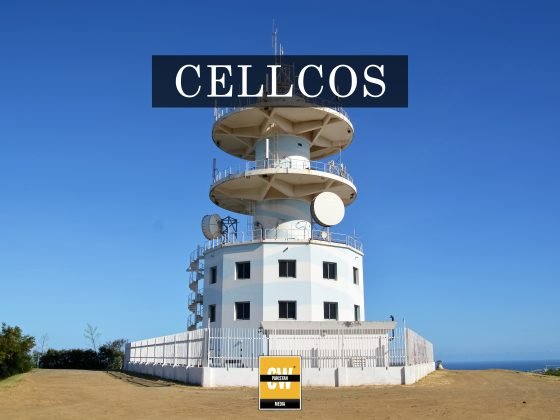
Telecom towers typically rely on battery backup systems that last between one and one-and-a-half hours during outages. Once depleted, mobile towers begin to shut down or lose signal strength, resulting in dropped calls and slow or unavailable internet services. A large number of Base Transceiver Station towers, particularly in urban areas, are not equipped with generators, making them highly vulnerable during prolonged load shedding as restoring services depends entirely on the return of electricity. Batteries at these sites also require three to four hours of charging once power is restored, further extending the disruption period for consumers.
As part of efforts to improve network resilience, telecom companies are also shifting toward solar-powered tower operations to reduce dependence on the national grid. Officials said the proposed smart transformers could further protect telecom networks from power disruptions and help reduce service outages for consumers. The Ministry of Information Technology and Telecommunication has also written a formal letter to power distribution companies across Pakistan, directing them to prioritise express feeders for critical telecom infrastructure, a direct intervention designed to stop load shedding from knocking mobile towers offline. PTA has recommended excluding telecom infrastructure from traditional load shedding schedules entirely and has also proposed shifting the telecom sector to an industrial electricity tariff to reduce costs and improve service reliability.
The Senate committee meeting also highlighted the increasing importance of internet connectivity as an essential service, and discussed reports regarding satellite internet access in remote areas, particularly in Balochistan, where conventional mobile network coverage remains limited and the impact of tower outages is especially acute. The multi-pronged approach under consideration, combining smart transformers, solar energy transition, express feeder priority access, and satellite internet expansion, reflects the scale of the challenge facing Pakistan’s telecom sector as it attempts to maintain service continuity in an environment where electricity supply remains deeply unreliable across large parts of the country.
Follow the SPIN IDG WhatsApp Channel for updates across the Smart Pakistan Insights Network covering all of Pakistan’s technology ecosystem.