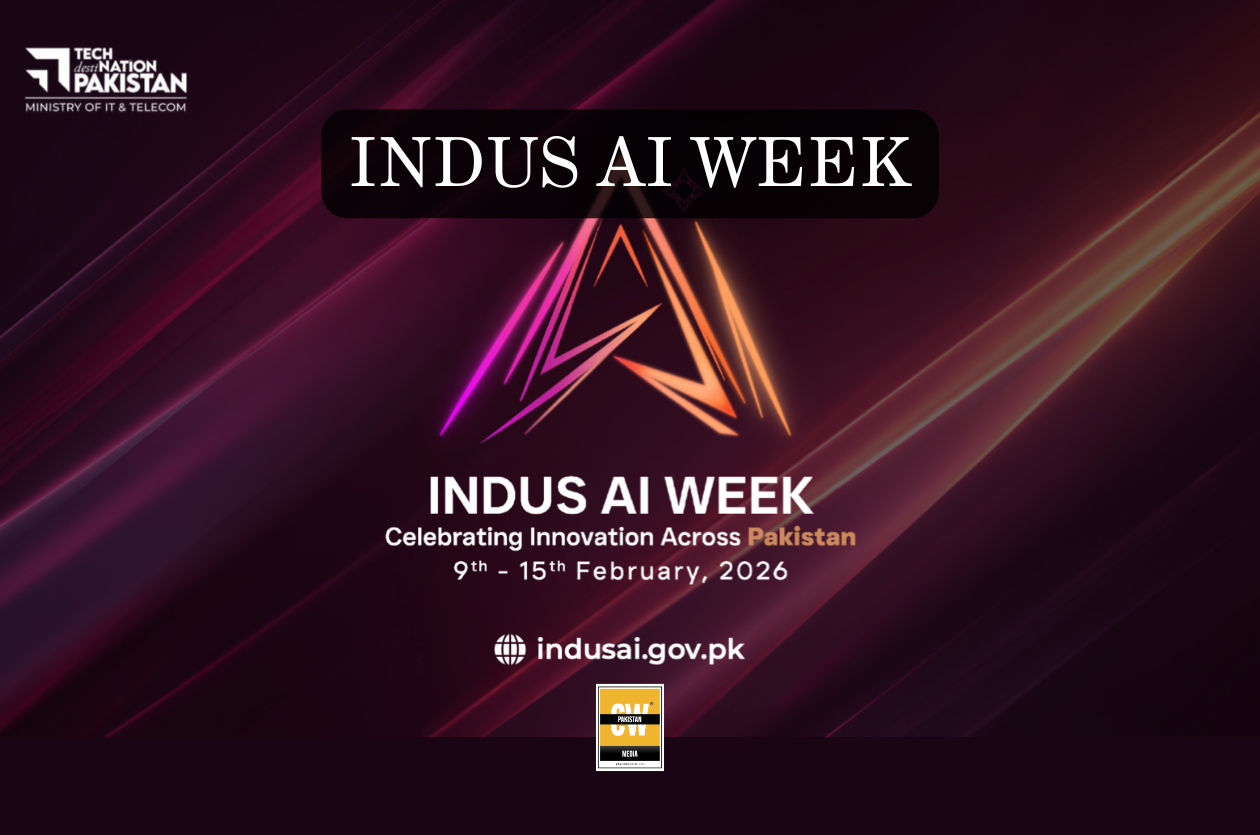
Islamabad, Pakistan: Indus AI Week opened with strong participation and a clear focus on positioning Pakistan as an active contributor to the global artificial intelligence landscape, bringing together policymakers, industry leaders, researchers, startups, and international delegates under one platform to discuss how AI can support economic growth, governance, and cross border collaboration. From the first day, the event maintained a high level of engagement, with packed sessions and continuous interaction among participants who gathered to exchange ideas and outline practical steps for advancing the country’s AI ecosystem.
More than 1,000 participants attended the event, including around 150 international delegates, reflecting growing global interest in Pakistan’s technology potential. Conversations centered on areas such as sovereign compute, global cooperation, and responsible innovation, with stakeholders examining how national capabilities can be strengthened while ensuring ethical and sustainable AI adoption. A key milestone during the week was the unveiling of the Islamabad AI Declaration, which set the tone for coordinated efforts between government and industry to develop policies, infrastructure, and talent aligned with international standards. Speakers emphasized that AI is already influencing decision making across sectors, from public services and governance to enterprise operations, and should be treated as a present day driver of competitiveness rather than a distant objective. The program was supported by Ministry of IT and Telecommunication Pakistan and Pakistan Software Export Board PSEB, both of which played an active role in facilitating dialogue between local and international participants.
Alongside policy discussions and technical sessions, the event also placed strong emphasis on inclusion through the AI for Her Pavilion, a dedicated space highlighting the contributions of women in artificial intelligence and technology. The pavilion featured high level panel discussions, networking opportunities, and showcases of women led startups developing practical AI solutions. Participants described the space as an important step toward broadening representation in the sector, offering visibility to founders, engineers, and leaders who are shaping the next phase of innovation. The conversations reflected a shift toward gender inclusive participation, with attendees noting that women are increasingly taking on leadership roles across research, entrepreneurship, and product development. By spotlighting these efforts, the pavilion added another dimension to Indus AI Week’s broader goal of building a diverse and resilient technology community.
Throughout the week, the combination of policy engagement, industry collaboration, and community focused initiatives created a platform that connected technology with local context, linking data driven innovation with Pakistan’s development priorities. Delegates highlighted the value of meeting face to face to build trust, share experiences, and identify opportunities for partnerships that extend beyond the event itself. Organizers described the gathering as the beginning of sustained engagement rather than a one time showcase, encouraging stakeholders to continue conversations and joint initiatives after the sessions concluded. More information about the program and upcoming activities is available at https://indusai.gov.pk, where updates and resources related to Indus AI Week can be accessed by the wider technology community.
Follow the SPIN IDG WhatsApp Channel for updates across the Smart Pakistan Insights Network covering all of Pakistan’s technology ecosystem.