CW Pakistan
  • Legacy
    • Legacy Editorial
    • Editor’s Note
  • Academy
  • Wired
  • Cellcos
  • PayTech
  • Business
  • Ignite
  • Digital Pakistan
  • DFDI
  • PSEB
  • PASHA
  • TechAdvisor
  • GamePro
  • Partnerships
  • PCWorld
  • Macworld
  • Infoworld
  • TechHive
  • TechAdvisor
0
0
0
0
0
Subscribe
CW Pakistan
CW Pakistan CW Pakistan
  • Legacy
    • Legacy Editorial
    • Editor’s Note
  • Academy
  • Wired
  • Cellcos
  • PayTech
  • Business
  • Ignite
  • Digital Pakistan
  • DFDI
  • PSEB
  • PASHA
  • TechAdvisor
  • GamePro
  • Partnerships
  • PayTech

FBR’s Rs200,000 Cash Transaction Cap Pushes Retail and E-Commerce Toward Digital Payments

  • August 18, 2025
Total
0
Shares
0
0
0
Share
Tweet
Share
Share
Share
Share

The Federal Board of Revenue (FBR) has introduced a significant regulatory shift in Pakistan’s retail and e-commerce sectors by capping all cash transactions at Rs200,000. The move applies equally to traditional retail markets and e-commerce platforms that operate on Cash on Delivery (CoD), a payment method that currently dominates Pakistan’s online shopping ecosystem. With this change, the government is aiming to reduce reliance on cash and accelerate the transition toward a more formal and digitally integrated economy.

This development is expected to create both opportunities and challenges. For retailers and consumers accustomed to high-value cash transactions, the cap will disrupt existing practices. Businesses will need to adopt digital channels such as bank transfers, debit and credit cards, mobile wallets, and the Raast instant payment system to continue facilitating large orders. The policy is part of a wider push to promote documentation, improve tax compliance, and align with international best practices supported by the International Monetary Fund (IMF).

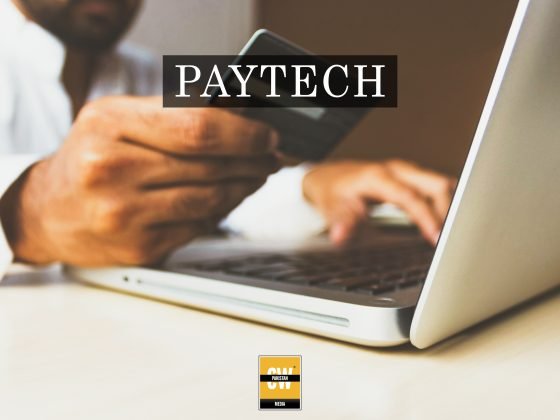
In Pakistan, more than 80 percent of e-commerce purchases are conducted through Cash on Delivery, largely due to consumer mistrust of online payment mechanisms. By restricting the upper limit on cash-based transactions, the FBR is indirectly nudging shoppers and businesses toward digital settlement methods. Industry experts believe this could be a turning point in enhancing consumer trust in online payment gateways and driving higher adoption of digital wallets and banking solutions. For high-value customers who previously relied on cash for big-ticket purchases, pre-payment and electronic payment systems may become the only viable options.

The ripple effects of this policy will be most visible in logistics and courier services, which currently handle the bulk of CoD transactions. Orders above Rs200,000 will either have to be rejected or split into smaller payments, adding layers of operational complexity. However, there is also an upside. By reducing the volume of cash handled by couriers, the risk of theft, fraud, and mismanagement may decline, potentially improving efficiency and security in the sector.

On a macroeconomic level, the restriction is part of Pakistan’s broader efforts to bring undocumented economic activities into the tax net. Digital payments create an auditable trail, making it easier for authorities to monitor, regulate, and collect taxes from both retail and e-commerce businesses. This is especially significant as Pakistan seeks to expand its tax base and comply with IMF-backed reforms designed to strengthen the country’s fiscal stability.

Similar measures have been implemented in regional economies with noticeable results. India introduced a ban on cash transactions above INR 200,000 in 2017, which coincided with its demonetisation policy and accelerated the adoption of digital payment systems like the Unified Payments Interface (UPI). Bangladesh also introduced caps on cash-based corporate expenses to promote digital transactions. Pakistan’s strategy reflects these regional shifts, though challenges remain due to the country’s entrenched cash-based culture.

If the Rs200,000 cash cap is enforced effectively, it could mark a milestone in Pakistan’s shift toward a cash-lite economy. Yet, the success of this reform will depend heavily on how quickly retailers, e-commerce platforms, and consumers adapt to the new reality. Resistance to digital payments, lack of trust in online platforms, and gaps in financial literacy could slow the transition. Conversely, if businesses seize the opportunity to invest in digital solutions and educate their customer base, Pakistan may see an accelerated uptake of fintech services, greater financial inclusion, and a more transparent retail landscape.
Share
Tweet
Share
Share
Share
Previous Article
  • PayTech

Pakistan’s Power Sector Strengthens with Launch of First Retail Sukuk by K-Electric

  • August 18, 2025
Read More
Next Article
  • PayTech

Easypaisa Triumphs at Dragons of Pakistan 2025 with Multiple Wins

  • August 18, 2025
Read More
You May Also Like
Read More
  • PayTech

inDrive Expands In Pakistan With Launch Of inDrive Groceries In Partnership With Krave Mart

  • Press Desk
  • January 15, 2026
Read More
  • PayTech

 LAAM Launches Shoppable Reels To Expand Fashion Discovery And Commerce Experience

  • Press Desk
  • January 15, 2026
Read More
  • PayTech

Pakistan Signs MoU With World Liberty Financial To Advance Digital Payments And Cross-Border Transactions

  • webdesk
  • January 14, 2026
Read More
  • PayTech

Pakistan Partners With SC Financial Technologies To Advance Digital Payments And Stablecoin Integration

  • webdesk
  • January 14, 2026
Read More
  • PayTech

Pakistan And UAE Discuss Real World Asset Tokenisation Framework At Prime Minister’s Office

  • webdesk
  • January 13, 2026
Read More
  • PayTech

UBL Preparing Voice Activated Banking Features For Mobile App

  • webdesk
  • January 12, 2026
Read More
  • PayTech

Reddit Launches AI-Powered Max Campaigns To Automate Advertising

  • webdesk
  • January 11, 2026
Read More
  • PayTech

Pakistan And Visa Expand Coordination On Digital Government Payments And Cashless Infrastructure

  • webdesk
  • January 9, 2026
Trending Posts
  • Pakistan Inaugurates Asaan Khidmat Centre To Streamline Citizen Services
    • January 15, 2026
  • Dawlance Launches Greenfield Condenser Manufacturing Facility In Pakistan
    • January 15, 2026
  • Game District Surpasses 2.2 Billion Downloads With 22 Million Daily Users
    • January 15, 2026
  • Google Pixel Drop Update Plans Clarified Ahead Of March 2026 Release
    • January 15, 2026
  • Google Gemini Gains Personal Intelligence Upgrade to Improve Contextual Assistance
    • January 15, 2026
about
CWPK Legacy
Launched in 1967 internationally, ComputerWorld is the oldest tech magazine/media property in the world. In Pakistan, ComputerWorld was launched in 1995. Initially providing news to IT executives only, once CIO Pakistan, its sister brand from the same family, was launched and took over the enterprise reporting domain in Pakistan, CWPK has emerged as a holistic technology media platform reporting everything tech in the country. It remains the oldest continuous IT publishing brand in the country and in 2025 is set to turn 30 years old, which will be its biggest benchmark and a legacy it hopes to continue for years to come. CWPK is part of the SPIN/IDG Wakhan media umbrella.
Read more
Explore Computerworld Sites Globally
  • computerworld.es
  • computerworld.com.pt
  • computerworld.com
  • cw.no
  • computerworldmexico.com.mx
  • computerwoche.de
  • computersweden.idg.se
  • computerworld.hu
Content from other IDG brands
  • PCWorld
  • Macworld
  • Infoworld
  • TechHive
  • TechAdvisor
CW Pakistan CW Pakistan
  • CWPK
  • CXO
  • DEMO
  • WALLET

CW Media & all its sub-brands are copyrighted to SPIN-IDG Wakhan Media Inc., the publishing arm of NCC-RP Group. This site is designed by Crunch Collective. ©️1995-2026. Read Privacy Policy.

Input your search keywords and press Enter.