





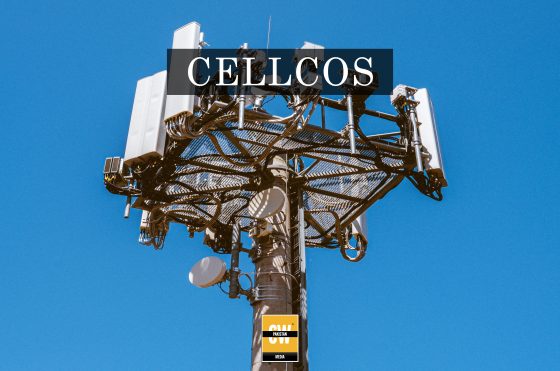











Pakistan’s mobile phone industry is steadily positioning itself to align with the anticipated mid-year launch of 5G services, as manufacturers prepare to introduce compatible devices while maintaining production of affordable 4G smartphones. Industry stakeholders believe this balanced approach is necessary to avoid alienating price-sensitive consumers, who still make up a large share of the domestic market. With mobile connectivity playing a central role in daily life, manufacturers are keen to ensure continuity in supply while gradually transitioning toward next-generation technology.
The country has built a sizeable manufacturing ecosystem over recent years, with more than 30 local assembly units collectively producing around 30 million handsets annually. This capacity provides a strong foundation for the introduction of 5G-capable devices, though industry leaders caution that technical readiness alone will not guarantee widespread adoption. According to Zeeshan Mianoor, Chief Executive Officer of Inovi Telecom, most major brands assembling phones in Pakistan are already technically prepared for 5G. However, the pace of growth will largely depend on how quickly spectrum is allocated, how efficiently networks are rolled out, and whether consumers are financially able to upgrade their devices. While several phones currently being assembled locally already support 5G bands, these models are largely positioned in higher price segments, typically starting from around Rs75,000, which limits their appeal to a broader audience.
Given these constraints, early adoption of 5G is expected to be concentrated in major urban centers such as Karachi, Lahore and Islamabad, where consumers are more likely to afford premium devices and demand higher data speeds. Industry players anticipate that uptake will remain gradual until users experience tangible improvements in speed, latency and overall performance. Over time, as network coverage expands and lower-cost models enter the market, adoption is expected to spread beyond large cities. Manufacturers are therefore planning production strategies that remain flexible, allowing them to respond to shifting demand as infrastructure develops and consumer awareness grows.
Industry representatives have also emphasized that 5G functionality cannot be enabled through software updates alone, as it requires specialized hardware. This reality has prompted companies to plan the launch of new 5G models rather than relying on existing devices. At the same time, production of 4G smartphones will continue to ensure accessibility for consumers who are not yet ready to make the transition. Mian Abdul Rehman, Chairman of the Pakistan Mobile Phone Manufacturers Association, has indicated that during the initial phase, only a limited segment of manufacturers and consumers is likely to benefit. He estimates that 5G-enabled phones may account for roughly one-fifth of total handset sales in the early stages. Pricing remains a significant consideration, with 5G smartphones expected to cost between Rs5,000 and Rs15,000 more than comparable 4G models, while in some cases the gap could extend to Rs20,000 or Rs30,000. These higher costs are likely to slow mass-market adoption in the short term, reinforcing expectations that Pakistan’s transition to 5G will be gradual rather than immediate.
Follow the SPIN IDG WhatsApp Channel for updates across the Smart Pakistan Insights Network covering all of Pakistan’s technology ecosystem.