
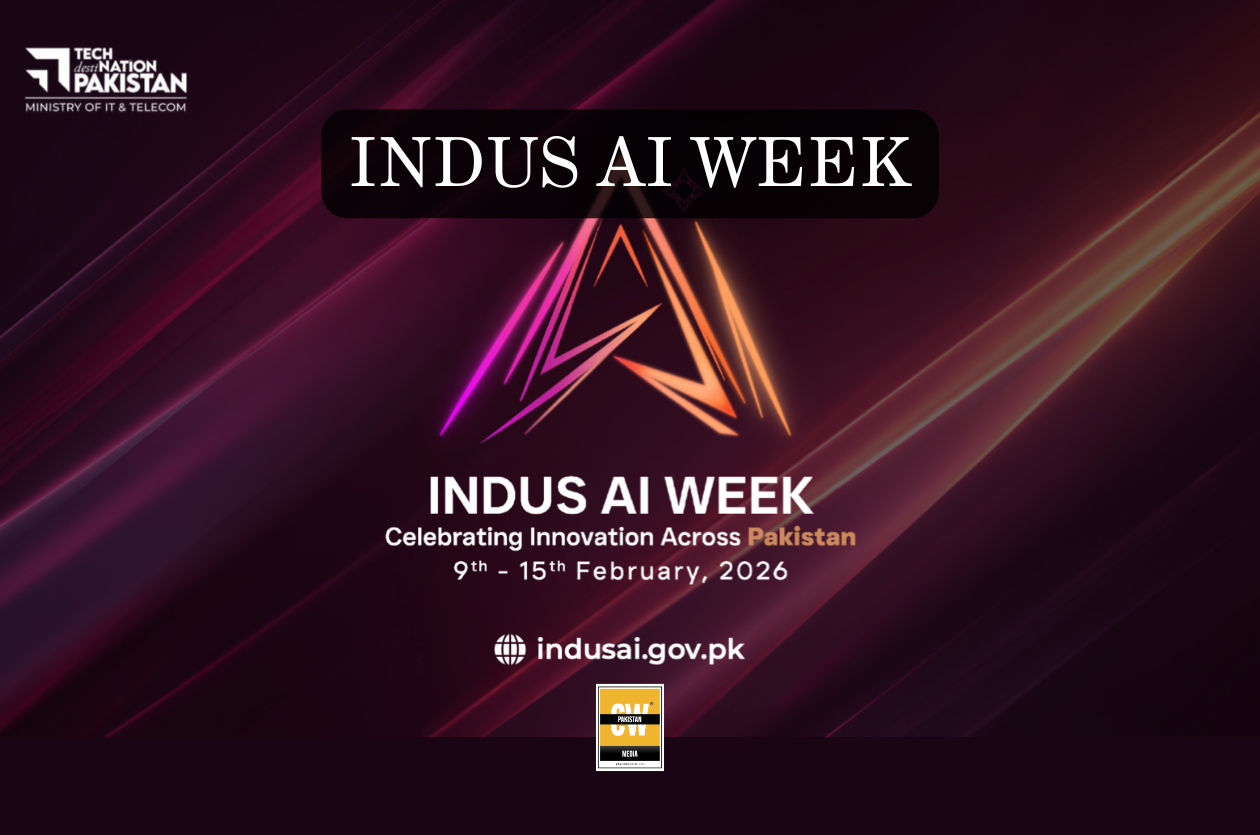
Pakistan’s growing artificial intelligence momentum took centre stage during conversations at the Indus AI Summit podcast, where global technology leaders pointed to the country’s youthful energy and expanding policy focus as key drivers of future innovation. Speaking at the summit, Dr Esther Baldwin, also known as Meng Mulan, observed that Pakistan’s young innovators possess a distinctive combination of ambition and adaptability that positions them well in a rapidly evolving global technology landscape. She noted that when this demographic advantage is paired with structured public sector support, it creates fertile ground for long term technological leadership rather than short term experimentation. The discussions formed part of broader engagements supported by the Ministry of IT and Telecommunication and Pakistan Software Export Board to highlight Pakistan’s role in the global artificial intelligence economy.
Dr Baldwin emphasised that artificial intelligence is no longer confined to research labs or pilot projects but is becoming embedded across sectors including finance, healthcare, education and public administration. She explained that Pakistan’s expanding developer base and startup ecosystem demonstrate how quickly local talent is absorbing new capabilities in machine learning, automation and data science. According to her, government initiatives aimed at strengthening digital infrastructure and skills development are reinforcing this trend, enabling young professionals to build solutions that compete beyond domestic markets. The conversation framed artificial intelligence not merely as a commercial opportunity but as a structural shift that can redefine productivity and governance models in emerging economies.
In a parallel discussion at the summit podcast, Dominic Williams, Founder and Chief Scientist of DFINITY, described artificial intelligence as a foundational technology comparable in scale and societal impact to electricity and the internet. He argued that nations that treat artificial intelligence as a national utility rather than a niche sector will be better positioned for sustained prosperity and global competitiveness. Williams commended Pakistan’s pace of artificial intelligence adoption and pointed to the country’s youthful workforce as a strategic advantage. He suggested that by investing early in skills, compute infrastructure and regulatory clarity, Pakistan can ensure that artificial intelligence becomes an enabling layer across its economy rather than a fragmented set of isolated applications.
Collectively, the discussions underscored a shared view that Pakistan’s demographic strength, combined with coordinated policy direction and institutional backing, could accelerate its transition from a services driven technology market to one shaped by higher value artificial intelligence innovation. With sustained collaboration between public institutions and industry stakeholders, the country’s young technologists appear poised to play a defining role in the next phase of global digital transformation.
Follow the SPIN IDG WhatsApp Channel for updates across the Smart Pakistan Insights Network covering all of Pakistan’s technology ecosystem.


