
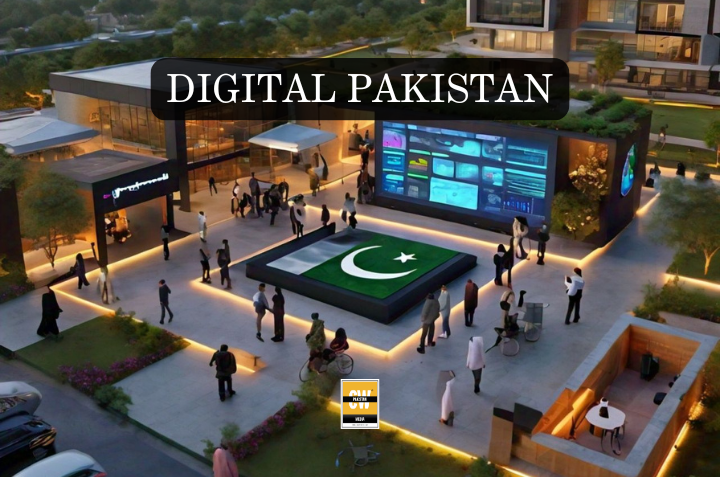
National Information Technology Board has requested an allocation of Rs 208 million for the upcoming fiscal year 2026-27 as part of its Smart Islamabad Initiative, a project aimed at introducing advanced traffic monitoring and city management systems in the federal capital. The development comes as the project has already achieved around 20 percent physical progress, despite no financial expenditure being recorded so far. With a total estimated cost of Rs 708.384 million and a planned duration of 24 months, the initiative is being executed under the Ministry of Information Technology and Telecommunication, reflecting the government’s broader push towards digital transformation in urban governance.
The project is designed to improve governance, enhance public safety, and streamline service delivery through the integration of real-time data across multiple departments. At the centre of this initiative is a proposed Fusion Center, which will act as a command hub connecting key agencies including Safe City Islamabad, Capital Development Authority, and Environmental Protection Agency. By enabling coordination between these entities, the system is expected to support more efficient traffic management and better oversight of urban operations, particularly in high-density areas of the city where congestion and monitoring challenges persist.
Officials familiar with the development noted that initial delays in implementation were linked to the late issuance of the required No Objection Certificate, which slowed down early-stage progress. However, with the completion of Stage I of the Request for Proposal process, procurement activities have now gained momentum. The authorities are moving forward with the next phases of the project, signalling that operational groundwork is being laid even as financial disbursements are yet to begin. This reflects a phased approach where administrative and technical preparations are prioritised before full-scale funding utilisation.
The Smart Islamabad Initiative is being positioned as a pilot model for future smart city projects across Pakistan, with the potential for replication in other major urban centres. As cities across the country face increasing pressure on infrastructure, traffic systems, and public service delivery, such data-driven initiatives are expected to play a central role in modernising urban management. By leveraging integrated digital systems and inter-agency coordination, the project aims to create a more responsive and efficient urban environment, setting a precedent for how technology can be used to address complex city-level challenges in Pakistan.
Follow the SPIN IDG WhatsApp Channel for updates across the Smart Pakistan Insights Network covering all of Pakistan’s technology ecosystem.