

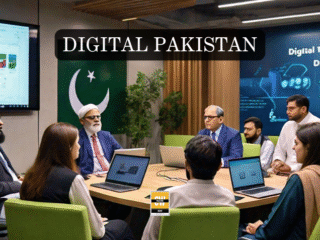









A noticeable rise in global hardware component prices is expected to increase the cost of personal computers, laptops, tablets, and related devices, impacting both individual users and businesses across Pakistan. This shift in global pricing trends may influence purchasing decisions and potentially slow the pace of digital adoption in various sectors. With several countries expanding AI based data centres, the worldwide demand for core computer parts has grown rapidly, placing additional pressure on supply chains. Components such as Random Access Memory and Solid State Drives have seen substantial price hikes, with estimates showing RAM and SSDs rising by one hundred percent and five hundred percent respectively in 2025. Analysts expect this upward trend to extend into 2026 as demand for AI infrastructure continues to grow.
These rising costs are already affecting retail and procurement markets, leading local industry players to express concern about the higher prices of computers and digital equipment. Such increases add financial pressure on public and private sector institutions working toward large scale digitization of their services. Khushnood Aftab Shaikh, CEO of Viper Computer, stated that the continued rise in imported device prices will significantly increase the yearly expenditure for entities dependent on modern computing systems. He noted that this trend will also add to Pakistan’s import bill, which is already under strain from the high cost of technology purchases. According to him, strengthening local production of computers and hardware components is essential for making digitization more sustainable for the country.
Shaikh emphasized that computers developed locally are not only efficient but also more affordable than imported alternatives. He added that domestic production supports conservation of foreign exchange, encourages technology transfer, and enhances the skill set of the local workforce. Without a focused hardware development framework, rising device prices may erode the purchasing capability of organizations and individuals who rely on computers for education, remote work, and freelancing. He called for a clear and comprehensive hardware policy that encourages the production of Pakistani branded devices and provides direction for the broader hardware ecosystem. Historically, more than a dozen PC assemblers operated across Pakistan during the past fifteen years, but most closed down due to the absence of a supportive and sustained policy environment.
Despite challenges, some progress has been made in local assembly initiatives. Government backed policies still tend to favour the import of finished PC devices, though a limited number of operators continue to produce Pakistani branded computers. A recent development includes the establishment of a Google Chromebook assembly facility through a collaboration between public and private sector partners. The project aims to strengthen domestic production capacity while providing local talent with opportunities to develop technical expertise. Shaikh’s company has also expanded its production operations in Lahore and Karachi to contribute to the availability of locally made systems.
Muhammad Umair Nizam, Senior Vice Chairman of PASHA, echoed the need for a strong national hardware development framework. He said Pakistan remains a large and untapped market with a young population that depends on technology for learning and earning opportunities. Nizam explained that a long term hardware policy would result in more accessible devices for citizens while creating an attractive environment for investment from both domestic and international brands. He compared the opportunity to the mobile phone assembly sector, which grew from minimal capacity into a competitive industry that now meets most of Pakistan’s local demand and exports devices abroad.
Follow the SPIN IDG WhatsApp Channel for updates across the Smart Pakistan Insights Network covering all of Pakistan’s technology ecosystem.