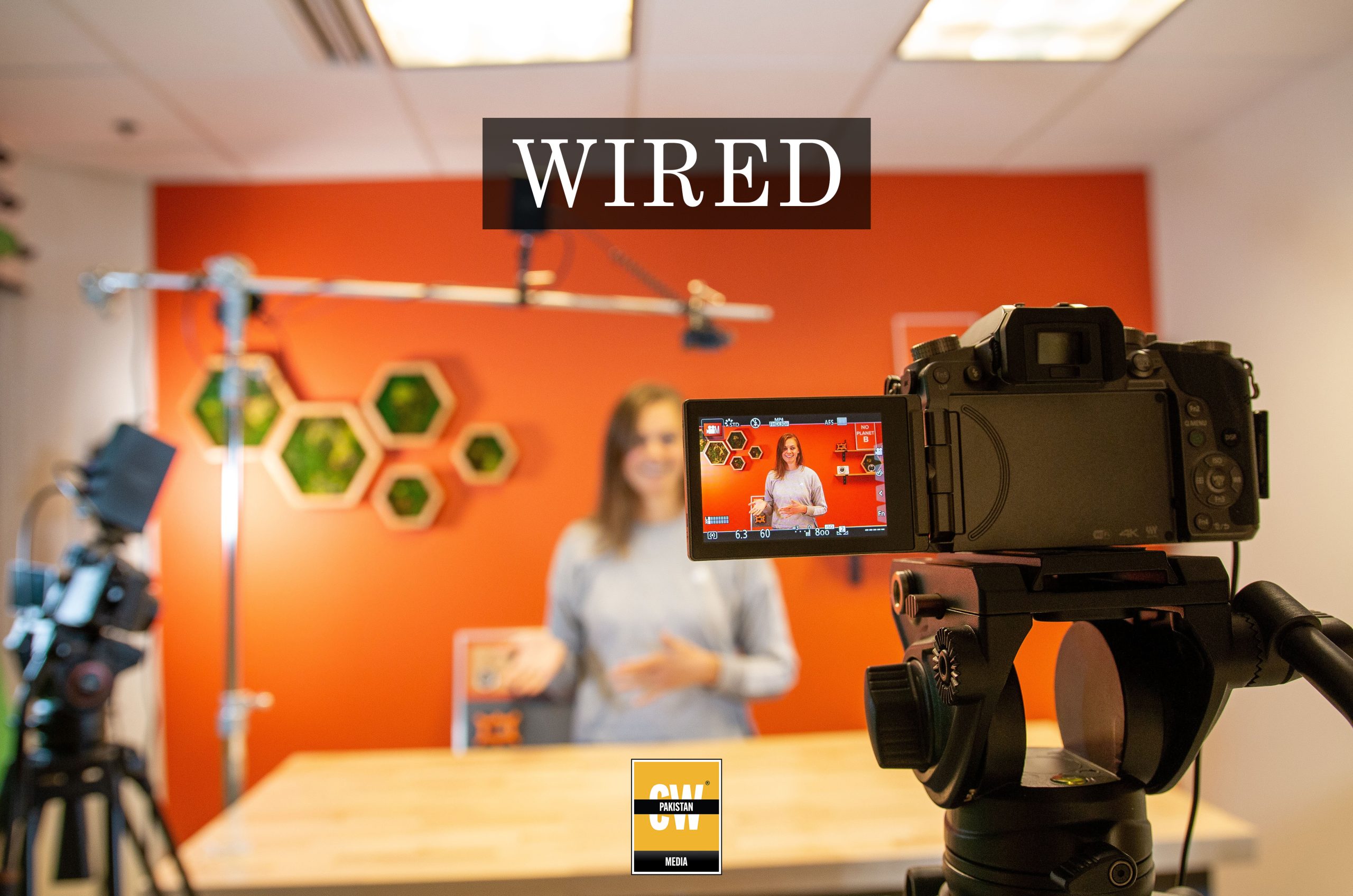
YouTube has introduced a new feature that allows content creators to generate an artificial intelligence-based version of themselves for use in Shorts, marking a notable expansion of the platform’s generative artificial intelligence tools and bringing capabilities that were previously only available through third-party applications directly into YouTube’s own ecosystem. The feature enables creators to produce videos that look and sound like them without necessarily being physically present for each recording, a development that carries significant implications for the pace and scale at which individual creators can produce content.
To access the feature, creators must be at least 18 years old and have an active YouTube channel. Eligible users can begin the avatar creation process through the YouTube app or the YouTube Create app by recording their face and voice through what the platform describes as a secure live selfie capture process. Once the avatar has been generated, creators can produce new scenes using text prompts, and the system also allows them to insert their artificial intelligence avatar into existing YouTube Shorts clips, making the output appear more integrated and realistic rather than visibly synthetic. The platform has noted that similar tools have already gained traction through third-party services, where results have demonstrated a high degree of visual and audio accuracy, and the integration of comparable functionality into YouTube’s native environment removes the need for creators to rely on external platforms or manage their likeness data outside of Google’s infrastructure.
YouTube has also built a set of controls into the feature to address concerns around consent and misuse. Creators can delete their avatar data and any videos generated using it if they choose to stop using the tool, and there is a dedicated setting that allows users to place limits on how others can use their avatar in remixed content, providing a layer of protection against unauthorised or unintended uses of their digital likeness. At present, the artificial intelligence avatar feature is limited to Shorts, though the platform has indicated that further development could eventually extend it to long-form video content. The broader question of how this feature will reshape the relationship between creators and their audiences, particularly as the distinction between real and generated content continues to become less immediately apparent, remains open, and is likely to become a more active area of discussion as the feature reaches a wider user base.
Follow the SPIN IDG WhatsApp Channel for updates across the Smart Pakistan Insights Network covering all of Pakistan’s technology ecosystem.