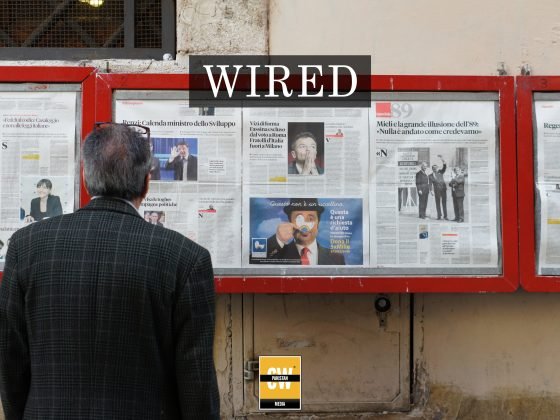
The National Information Technology Board (NITB) is highlighting the role of digital tools in promoting responsible media engagement during Global Media and Information Literacy Week, observed from October 24 to 31. In a recent LinkedIn post, the government technology organisation drew attention to the Pakistan Electronic Media Regulatory Authority (PEMRA) mobile application, which it developed to improve public access to media-related regulatory services. The post, shared under the message “Minds Over AI,” emphasises the importance of critical thinking and responsible interaction with digital information as artificial intelligence increasingly influences how people access and interpret content. Through the application, citizens can raise concerns about electronic media content, consult PEMRA rules and regulations, and access licensing and technical guidance. The initiative connects the broader discussion around media literacy with a practical digital service that provides users with a channel to engage with the country’s electronic media regulator.
The PEMRA application provides a digital route for citizens who wish to submit complaints or seek information about broadcast media regulations. Its features include complaint registration, access to relevant rules and regulations, and information relating to licensing and technical requirements. The platform is intended to make regulatory information easier to access and provide a more direct channel for communicating concerns about electronic media content. By moving these functions to a mobile application, the service can help users access information without relying exclusively on physical visits or conventional communication channels. NITB developed the application in collaboration with PEMRA, following an agreement between the two organisations to create a mobile platform for public awareness and complaint management. The app is available for Android and iOS devices, allowing users on both major mobile operating systems to access its services. Citizens can find the application through the official download links shared by NITB or search for PEMRA in their respective app stores, checking the developer information before installation.
Global Media and Information Literacy Week provides an international context for the initiative. Observed annually from October 24 to 31, the campaign encourages people to develop the skills needed to find, evaluate and use information responsibly. UNESCO has announced the 2026 theme as “We All Play a Part – Media and Information Literacy for the People,” highlighting the shared responsibility of individuals, institutions, educators, journalists and digital platforms in creating a better-informed society. These skills have become increasingly relevant as social media, online publishing tools and artificial intelligence systems make it easier to produce and circulate information at scale. Users need to assess the credibility of sources, distinguish verified reporting from misleading claims and consider the context in which information is presented. Access to regulatory information and formal complaint channels can complement these efforts by helping citizens understand the rules governing electronic media and identify where concerns can be raised. However, media literacy also requires individual judgement and verification, rather than relying solely on an application or regulatory authority to assess every piece of content.
NITB’s campaign places the PEMRA app within Pakistan’s wider move towards delivering public services through digital platforms. The organisation has supported technology projects for government departments to make information and administrative services more accessible through mobile and online channels. For the PEMRA application, the practical value depends on citizens knowing how to use its features, understanding the information required to submit a complaint and being able to follow the relevant process. Users should consult the application and official PEMRA guidance for applicable procedures and requirements. While the current awareness message does not announce any new app features or changes to the complaint process, it draws attention to an existing digital channel during a week focused on informed and responsible media participation. As artificial intelligence becomes more visible in the information environment, public awareness initiatives can help connect digital access with the critical thinking needed to use online information carefully. The effectiveness of such efforts will depend on public awareness, accessible services and the ability of citizens to make informed decisions about the media they consume and share.
Follow the SPIN IDG WhatsApp Channel for updates across the Smart Pakistan Insights Network covering all of Pakistan’s technology ecosystem.