
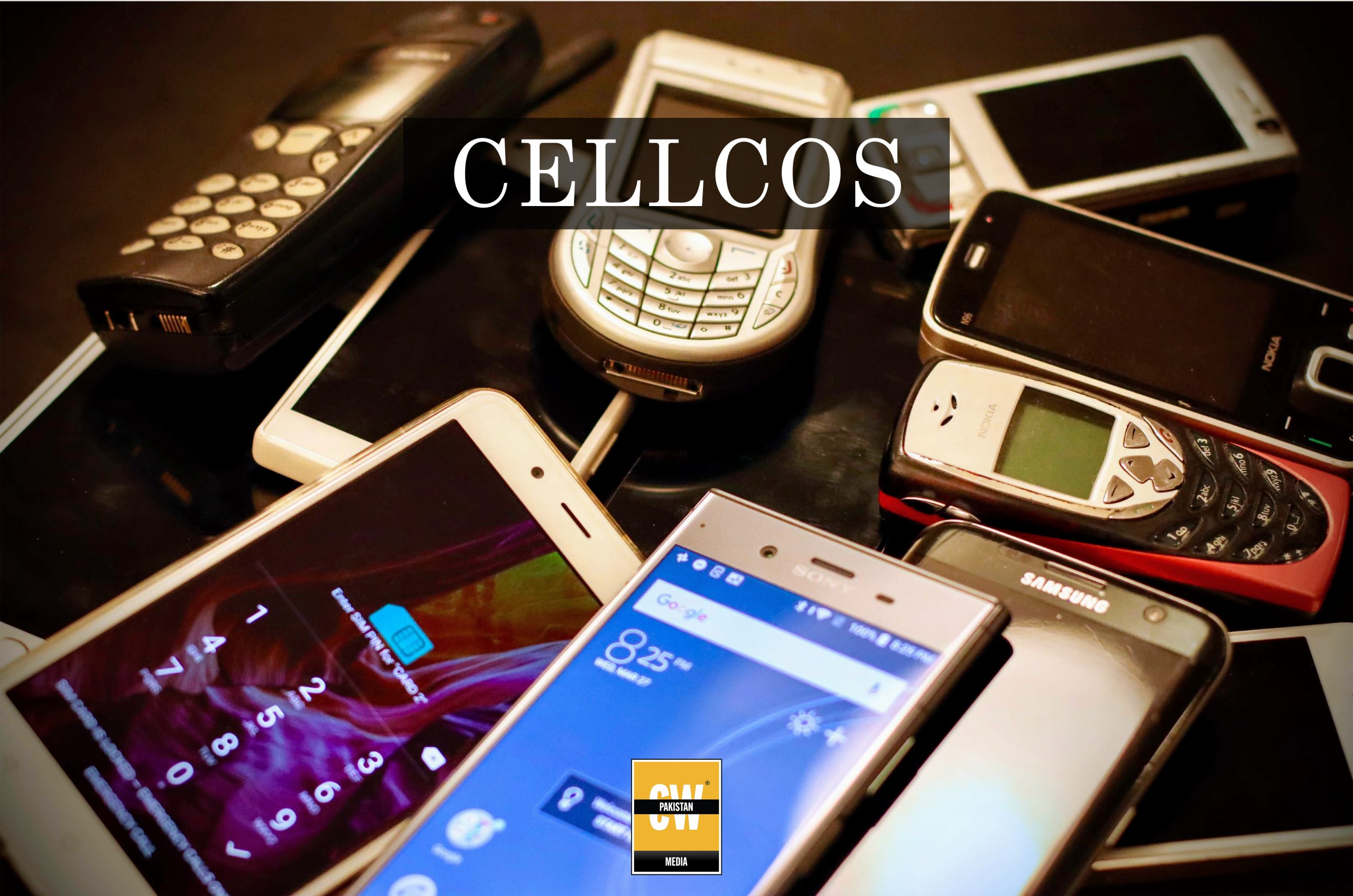
Islamabad authorities have moved to reassess the taxation framework for mobile phones in Pakistan after the National Assembly Standing Committee on Finance and Revenue directed FBR and PTA to prepare a detailed report on existing tax rates, policy options, economic impact, and international comparisons. The directive, issued during a committee session chaired by MNA Naveed Qamar, highlighted concerns over the rising financial burden on consumers and challenged the classification of mobile phones as luxury items. Committee members stressed that smartphones play a critical role in communication, business, and digital content creation, making equitable taxation essential.
Committee members, including MNA Qasim Gilani, criticized the current system for imposing multiple layers of taxation. He noted that consumers often face repeated tax obligations when devices are lost or stolen, citing cases where older iPhone models faced levies of Rs35,000 while more recent models like iPhone 12 were taxed up to Rs100,000. Gilani emphasized that smartphones are increasingly used for professional and entrepreneurial purposes, including e-commerce and content creation, making the high taxation counterproductive to innovation and livelihoods.
During the session, MNA Sharmila Faruqi drew attention to the latest iPhone model costing Rs350,000 with an additional tax of Rs190,000. FBR officials clarified that taxes are applied on the price of devices rather than specific models. MNA Mirza Ikhtiar Baig highlighted the need for a transparent and standardized taxation mechanism, rejecting the assumption that smartphones are solely for the wealthy. PTA chairman informed the committee that only six percent of high-end phones are imported while the majority of devices are now manufactured domestically. He also announced that 5G licenses are expected to be issued between February and March next year, marking a significant step in the country’s telecom development.
FBR Chairman Rashid Mahmood Langrial addressed concerns over taxation and pricing, stating that overall smartphone prices and tax rates have declined, except for a few major brands, while reporting Rs82 billion in tax revenue generated from mobile phones in the last fiscal year. The committee recommended considering placing smartphones under the Eighth Schedule of taxation to provide relief to consumers. Tax officials explained that the Ninth Schedule currently applies to telecom products, while the Eighth Schedule offers concessions, suggesting that a reclassification could reduce the financial burden and support local manufacturing initiatives. The committee emphasized that such measures would benefit consumers while maintaining revenue streams, and called for the report to be submitted by March 2026 to allow thorough examination ahead of the next federal budget.:
Follow the SPIN IDG WhatsApp Channel for updates across the Smart Pakistan Insights Network covering all of Pakistan’s technology ecosystem.